Solar Panels During a Hurricane: What Florida Homeowners Need to Know
By iContracting Solar Team · 2026-09-28
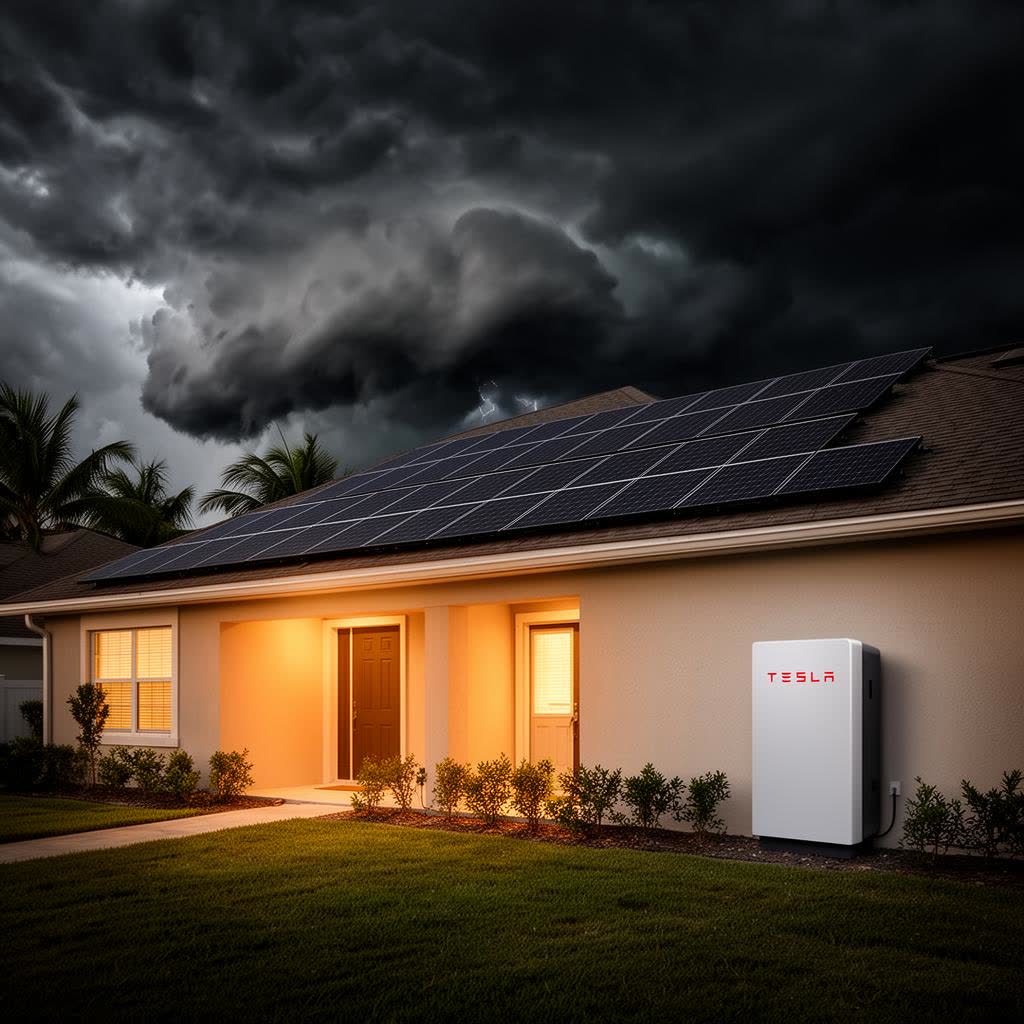
How solar panels handle Florida storms
If you live in Central Florida, hurricane season is part of life, and it's natural to wonder how a rooftop solar system holds up. The good news: solar panels are designed for outdoor exposure, including wind, rain and heat. Panels are typically framed and covered with tempered glass, and they're attached to your roof with racking and mounting hardware engineered for wind loads.
The honest news: no solar system is hurricane-proof. Extreme winds, flying debris, falling trees and roof failures can damage any rooftop equipment. What you can control is how well the system is installed, how healthy your roof is, and how prepared you are before and after a storm.
What determines storm performance
Installation quality
The biggest factor is how the system was installed. That includes the number and spacing of roof attachments, how they're secured into the roof structure, proper flashing and sealing around penetrations, and whether the racking was installed to the manufacturer's specifications and local code. Florida has demanding building codes for wind resistance, and permitted installations are designed with those requirements in mind.
Roof condition
Panels are only as secure as the roof they're attached to. An aging or damaged roof is more vulnerable in a storm, with or without solar. If your roof is near the end of its life, it's worth addressing before installing solar — we cover that in detail in Solar + Roofing in Florida.
Location and surroundings
Nearby trees, the direction your roof faces, and your home's exposure all affect storm risk. Overhanging branches are a common source of damage, both to panels and to roofing.
Before a hurricane: a practical prep checklist
Preparation is where you have the most control. Our Florida hurricane solar prep page goes deeper, but here are the essentials:
- Schedule an inspection before the season. A technician can check for loose hardware, damaged wiring, or worn sealant around roof penetrations.
- Document your system. Take clear photos of your panels, inverter and equipment labels. Keep a copy of your installation paperwork and warranty information somewhere you can reach it after the storm.
- Review your insurance. Confirm how your policy treats rooftop solar and what your hurricane deductible is.
- Trim trees. Cut back branches that hang over the roof or could fall onto it.
- Know your shutdown procedure. Your installer should show you how to safely shut down the system if needed. Many systems shut off automatically when the grid goes down.
- Charge your battery. If you have battery storage, make sure it's fully charged before the storm arrives. Some systems offer a storm-watch mode that does this automatically.
- Secure loose items. Patio furniture and other debris can become projectiles that hit panels.
Removing panels before a storm is generally not recommended. It's expensive, can affect warranties, and creates extra roof work — often with more risk than leaving a properly installed system in place.
During the storm
Stay inside and stay safe. If your home loses power and you have a grid-tied system without a battery, your solar will shut down automatically — that's expected and required for utility worker safety. If you have battery backup, your system may keep essential circuits running. We explain how this works in What Happens to Solar Panels When the Power Goes Out?
After the storm: post-storm inspection advice
Once the storm has passed and it's safe to go outside, take a careful look — from the ground.
Do this
- Stay off the roof. Wet, damaged roofs are dangerous, and damaged solar equipment can carry electricity.
- Look from the ground or a window. Check for panels that are cracked, shifted, lifted or missing, and for loose or hanging wires.
- Check your monitoring app. If your system has monitoring, see whether production looks normal once the grid is back and the sun is out. A sudden drop can signal a problem.
- Look at the inverter and equipment. Note any error lights or messages, but don't open any equipment.
- Watch for roof leaks. Check ceilings and the attic for water stains, especially around areas below the panels.
- Take photos. Document any visible damage for your installer and insurance company.
Don't do this
- Don't touch damaged panels, wires or equipment. Solar panels produce electricity whenever light hits them, even if the system is "off."
- Don't hose off or clean panels that may be damaged.
- Don't attempt repairs yourself. Hire a qualified solar technician.
When to call a professional
Call for an inspection if you notice any visible damage, error messages, lower-than-normal production, or roof leaks. Even if everything looks fine, a professional post-storm check can catch loose hardware or wiring issues that aren't obvious from the ground. Our solar maintenance and repair service handles post-storm inspections and repairs.
Insurance and warranties
Different warranties cover different things. Panel manufacturers typically warrant against defects and certain performance levels, while your installer's workmanship warranty covers installation. Storm damage from wind or debris is usually an insurance matter rather than a warranty issue. Coverage and deductibles vary widely, so review your homeowners policy with your agent before hurricane season.
Planning a new system? Build for Florida from the start
If you're considering solar, storm readiness should be part of the conversation from day one:
- Ask how the system will be attached and permitted for local wind requirements.
- Have your roof evaluated before installation.
- Consider whether battery backup makes sense for outages.
- Ask what maintenance and post-storm support the installer offers.
A well-planned system, installed on a healthy roof and checked after major storms, gives you the best chance of years of reliable performance. If you'd like help evaluating your home, our residential solar team can walk you through it.
Frequently asked questions
Can solar panels survive a hurricane?
Many properly installed systems come through hurricanes without damage, but no system is guaranteed to survive every storm. Wind speed, flying debris, roof condition and installation quality all play a role.
Should I remove my solar panels before a hurricane?
Generally, no. Removing and reinstalling panels is costly, can void warranties, and can introduce new roof penetrations. Focus instead on having the system inspected and any loose components fixed before the season.
Do solar panels make my roof more likely to be damaged?
A well-designed installation with proper attachments and flashing should not weaken your roof. Poor installation or an aging roof can create problems, which is why roof condition should be checked before installing solar.
Should I turn off my solar system before a storm?
Follow your system's manufacturer and installer guidance. Many systems shut off automatically when the grid goes down. If you want to shut it down manually, use the documented shutdown procedure — never open equipment yourself.
What should I do if my panels are damaged after a storm?
Stay away from damaged panels and wiring, take photos from a safe distance, contact your installer or a qualified solar repair company, and notify your insurance company. Damaged panels can still produce electricity when exposed to light.
Does homeowners insurance cover solar panel storm damage?
Coverage varies by policy. Many policies treat roof-mounted solar as part of the home, but deductibles and exclusions differ. Review your policy with your insurance agent before hurricane season.
Will my solar work during a hurricane power outage?
A grid-tied system without a battery shuts down when the grid is down. A system with battery backup and a proper transfer setup can keep selected circuits or your whole home powered.