Solar + Roofing in Florida: Should You Replace Your Roof Before Installing Solar?
By iContracting Solar Team · 2026-09-28
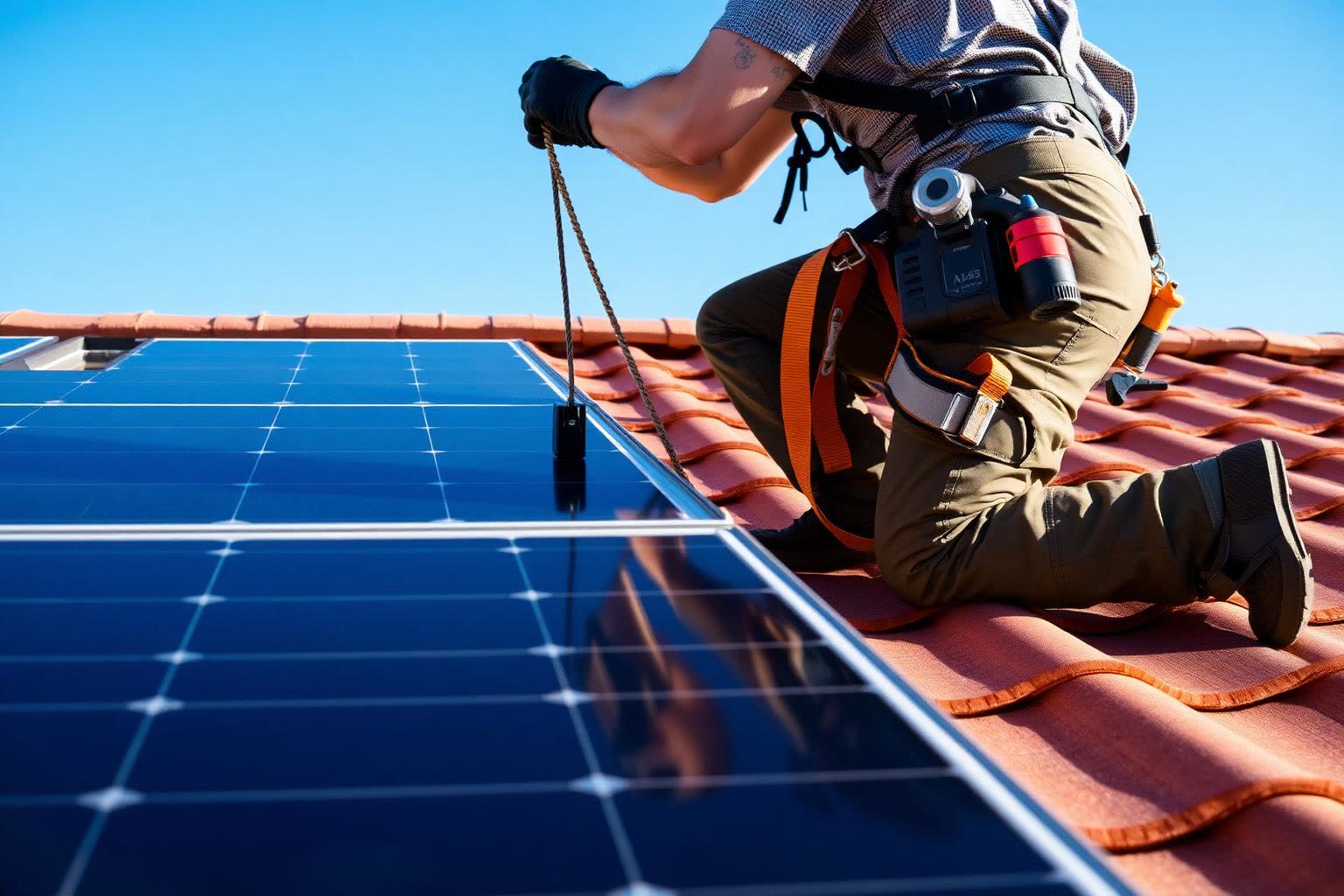
The short answer
Solar panels are built to stay on your roof for decades. If your roof won't last that long, it usually makes sense to deal with the roof first.
A roof in good shape with plenty of life left can typically take solar right away. A roof that's aging, patched, or showing damage is often better replaced before panels go on. Otherwise, you may end up paying to remove and reinstall the entire solar system when the roof eventually needs replacing — and going without solar production while that work happens.
Why roof condition matters so much for solar
A solar installation is a long-term addition to your home. Panels are secured to the roof structure with mounting hardware, and each attachment point is sealed to keep water out. Once that's done, the section of roof under the panels is harder to access for repairs.
That creates a simple planning question: will your roof last as long as your solar system? If the answer is clearly no, replacing it first is usually the smarter move.
How Florida conditions affect your roof
Central Florida is tough on roofs. Intense sun and UV, year-round heat, heavy summer rain, high humidity and tropical storms all take a toll. Roofs here can age faster than the same materials in milder climates, and storm damage can shorten a roof's life suddenly.
Florida homeowners also have to think about insurance. Some insurers look closely at roof age and condition when writing or renewing policies. That's another reason many homeowners find it worthwhile to address an aging roof sooner rather than later — and pairing it with a solar project can make the timing easier to plan.
Signs your roof may need attention before solar
You don't need to be an expert to spot common warning signs. Look for:
- Age. If your roof is approaching the typical lifespan for its material, it's worth an inspection.
- Missing, cracked, or curling shingles.
- Granule loss — dark patches on shingles or granules collecting in gutters.
- Soft or sagging areas on the roof deck.
- Leaks or water stains on ceilings or in the attic.
- Previous storm damage or lots of patchwork repairs.
- Cracked or slipped tiles on tile roofs, or loose fasteners and rust on metal roofs.
Any of these is a good reason to have the roof professionally evaluated before installing solar.
Option 1: Install solar on your current roof
If your roof is relatively new and in good condition, you can usually move forward with solar right away. Before installation, the roof should still be inspected to confirm it's structurally sound and that the areas where panels will be mounted are in good shape. Minor repairs can often be handled as part of the project.
This is the fastest path to solar, and it makes sense when your roof clearly has many good years left.
Option 2: Replace the roof first, then install solar
If your roof is older or damaged, replacing it first gives you a fresh start. Your new roof and your new solar system begin their lives together, which means:
- You're less likely to need to remove and reinstall panels for a roof replacement down the road.
- New flashing and attachments go into a new roof surface.
- Any roof warranty and the solar installation can be planned together.
- You can deal with insurance-related roof concerns at the same time.
The trade-off is a larger upfront project. For many homeowners, though, doing both at once is simpler than handling them years apart.
What it means to wait
If you install solar on a roof that needs replacing in a few years, the future roof project will involve extra steps: disconnecting the system, removing panels and racking, replacing the roof, then reinstalling and recommissioning the solar. That adds labor cost and time — and your system isn't producing power while it's off the roof.
There's also coordination to manage. If different companies handle the roof and the solar, you'll need them to work around each other, and questions about who's responsible for what can come up later.
Why coordinating roof and solar with one team helps
iContracting works across roofing, solar, and electrical, which means we can look at your roof and your solar goals together instead of treating them as two separate projects. When one team coordinates both:
- Scheduling is simpler. The roof and solar work can be sequenced without gaps or conflicts.
- Communication is clearer. You have one point of contact for questions.
- Responsibility is clearer. You're not caught between a roofer and a solar installer if something needs attention later.
- Planning is more complete. We can think about panel layout, roof penetrations, electrical needs, and future options like battery storage or EV charging at the same time.
You can learn more about our roofing work at iContracting Roofing.
What about storms?
A healthy roof is one of the most important factors in how a solar system handles severe weather. Panels are only as secure as the roof they're attached to. If storm resilience is a priority for you, our guide on solar panels during a hurricane covers preparation and post-storm inspection, and our hurricane solar prep page has more tips.
Paying for a roof and solar
Costs vary widely depending on your roof size, material, system size, and equipment. Some financing options may let you combine roofing and solar into a single project, subject to lender approval — terms and availability vary. Incentives for solar also change over time, so it's wise to check current programs and talk with a tax professional about your specific situation rather than relying on general claims.
How to decide
Here's a simple way to think about it:
1. Get a roof inspection. This is the most important step.
2. Compare remaining roof life to your solar plans. If the roof likely won't outlast the system, consider replacing it first.
3. Think about insurance. Ask your agent whether roof age affects your coverage.
4. Get a coordinated plan. Ask for a proposal that looks at the roof and solar together.
If you'd like help, we can inspect your roof, review your electricity use, and explain your options for residential solar with or without a roof replacement. You can also estimate your solar potential to get a sense of what solar could look like for your home.
Frequently asked questions
Do I need a new roof before installing solar?
Not always. If your roof is relatively new and in good condition, you can usually install solar right away. If it's aging or damaged, replacing it first often avoids the cost of removing and reinstalling panels later.
How do I know if my roof is ready for solar?
Consider the roof's age, material, and visible condition — missing or curling shingles, soft spots, leaks, or granule loss are warning signs. A professional roof inspection gives you a clear answer.
What happens if I need a new roof after installing solar?
The panels and racking are removed, the roof is replaced, and the system is reinstalled. This adds cost and means your system isn't producing during the work.
Will solar panels damage my roof?
A properly installed system with correct attachments and flashing is designed not to damage your roof. Poor installation can create leak points, which is why installer quality matters.
Can I install solar on a metal or tile roof?
Yes, solar can be installed on many roof types, including metal and tile, using mounting hardware designed for that material. Installation methods and costs vary by roof type.
Can I finance a roof and solar together?
Some financing options may allow roofing and solar to be combined in one project. Availability depends on the lender and your approval. Ask about options during your consultation.
Do solar panels protect the roof underneath?
Panels shade the roof area they cover, which may reduce direct sun and weather exposure on that section. It's not a substitute for a healthy roof, though.