What Happens to Solar Panels When the Power Goes Out?
By iContracting Solar Team · 2026-09-28
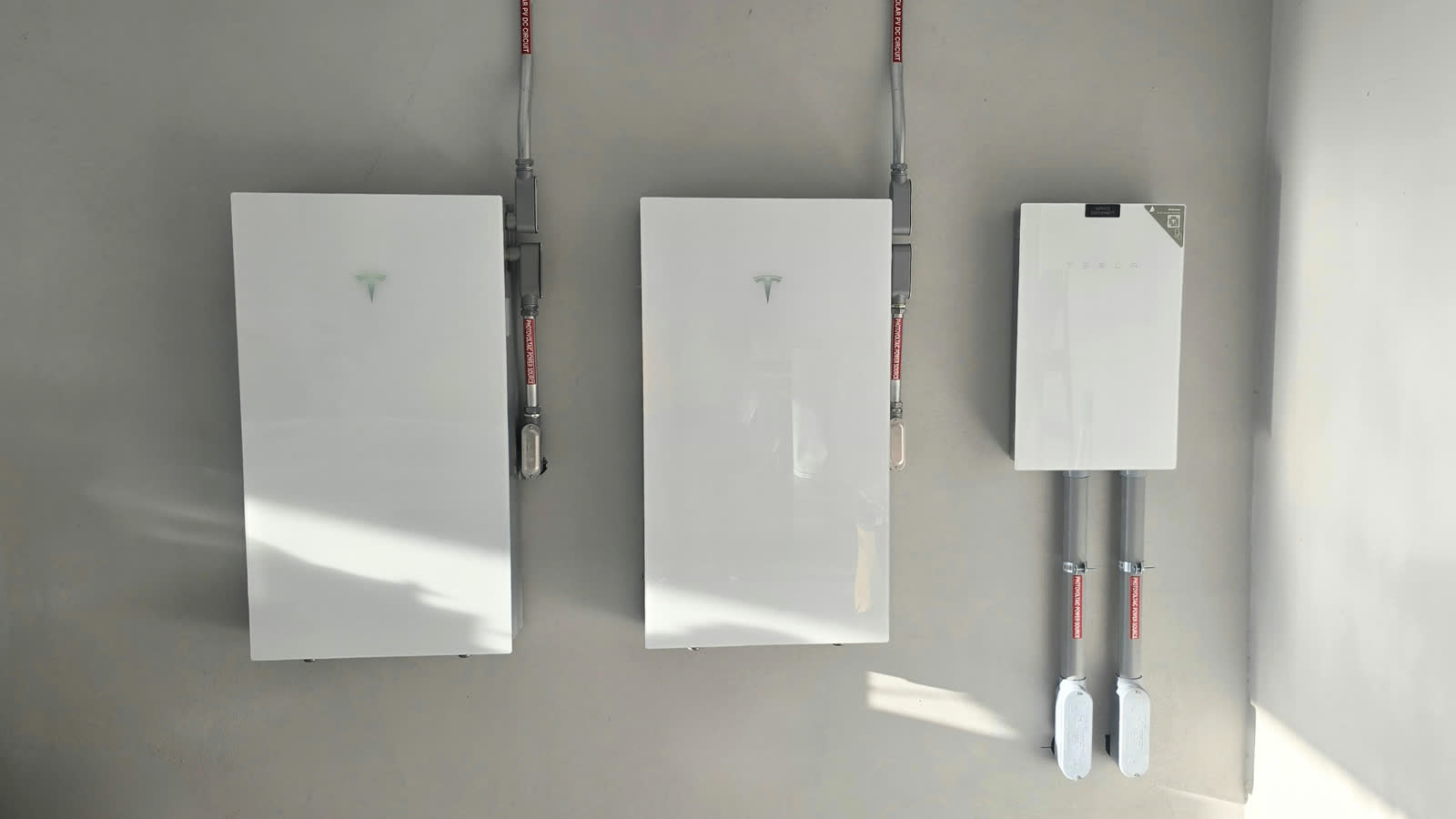
The short version: grid-tied solar pauses when the grid goes down
Most solar systems in Central Florida are grid-tied. Your panels produce electricity, your home uses what it needs, and the utility grid acts as the backup and the place any extra energy goes. It's a simple, efficient setup — until there's an outage.
When the grid loses power, a grid-tied inverter detects the drop and shuts itself off within seconds. Your panels may still be sitting in full sunshine, but the system won't send electricity to your home. Many homeowners are surprised by this the first time a summer storm knocks out the neighborhood.
This isn't a defect. It's a safety requirement.
Why solar shuts off: anti-islanding explained
When a storm damages power lines, utility crews work to repair them. They need to know those lines are not carrying electricity. If thousands of homes kept pushing solar power back into the lines during an outage, a line a worker expects to be dead could be energized.
To prevent this, grid-tied inverters include anti-islanding protection. An "island" is a section of the grid that stays powered while the rest is down. The inverter constantly monitors the grid's voltage and frequency; when those disappear or drift out of range, it stops exporting power. When the grid comes back and stays stable, the inverter reconnects automatically.
So the reason your panels go quiet is the same reason line crews can safely restore power to your street.
How battery backup changes the picture
A battery system adds two things a standard grid-tied setup doesn't have: stored energy and the ability to safely separate your home from the grid.
In a backup-capable system, when an outage happens:
1. The system detects the grid is down.
2. An automatic transfer device (often built into a gateway or backup interface) disconnects your home from the utility lines.
3. With your home now safely isolated, the battery and inverter form a small, private "microgrid" for your house.
4. Your solar panels can resume producing — powering your home and recharging the battery during daylight.
Because your home is physically disconnected from the utility lines, nothing flows back to where crews are working. That's how a battery system meets the same safety goal while keeping your lights on.
It's worth knowing that not every inverter or battery works the same way. Some systems add storage on the AC side of an existing solar system (AC-coupled), and others connect the battery more directly to the panels (DC-coupled). Both can work well. The right choice depends on your existing equipment and goals — something we review during a battery storage consultation.
Essential-load backup vs. whole-home backup
Once you decide you want backup power, the next question is how much of your home you want to keep running.
Essential-load backup
With essential-load backup, a dedicated backup sub-panel is set up for the circuits you care about most. Common choices include:
- Refrigerator and freezer
- Some lighting
- Internet router and a few outlets for phones and laptops
- Well pump or garage door, if applicable
- Medical equipment that needs power
Because you're only powering selected circuits, the battery lasts longer and the system can be smaller. It's a practical choice for many families who mainly want to ride out a few hours or a day without losing food or connectivity.
Whole-home backup
Whole-home backup is designed to keep most or all of your home running. It feels more like nothing happened — but it asks more of the system. Large loads like central air conditioning, electric ranges, pool pumps and electric water heaters draw significant power, and some have high startup surges.
Whole-home backup usually means more battery capacity, higher inverter output, and sometimes electrical panel work. It can be the right fit if you work from home, have family members sensitive to Florida heat, or simply want the most seamless experience.
Which one is right?
There's no universal answer. It depends on your home's electrical layout, your usage, your budget, and what matters most to you in an outage. A good installer will look at your panel, talk through your priorities, and explain the trade-offs honestly instead of pushing the biggest system.
How long will backup power last?
This is the most common question, and the honest answer is: it depends. The main factors are:
- Usable battery capacity — how much stored energy you can actually draw.
- What you're running — a refrigerator and lights use far less than central AC.
- Weather after the outage — if the sun comes out, your panels can recharge the battery during the day.
- Your habits during an outage — being selective about what you use can stretch backup significantly.
Florida's frequent afternoon storms and occasional multi-day outages after hurricanes are good reasons to plan conservatively. We'd rather help you set realistic expectations than promise a number that doesn't hold up in real conditions.
What about generators?
Generators and batteries solve the same problem differently. Generators can run as long as they have fuel, which is useful during extended outages with cloudy skies. But they need fuel storage, regular maintenance, and they're loud. Batteries are silent, need no fuel, and recharge from your solar panels.
Some homeowners choose one; others combine them. If you already own a generator, ask about how it might work alongside a battery system.
Before and after a storm
If you live in Central Florida, outages often come with severe weather. A few practical tips:
- Know whether your system has backup capability before storm season.
- Keep your battery charged ahead of a forecasted storm (many systems have a storm-preparation mode).
- After a major storm, have the system inspected if you see any visible damage. Our guide to solar panels during a hurricane covers what to look for, and our maintenance and repair team can help.
Is adding a battery worth it for you?
Battery storage is a meaningful investment, and the value depends on your situation — how often your area loses power, whether anyone in the home relies on powered medical equipment, whether you work from home, and how you'd like your system to operate day to day.
The best starting point is a conversation about your home and priorities. We can review your electric usage, your existing solar equipment (if you have it), and your panel, and then explain your backup options in plain English. If you're still exploring solar itself, you can also estimate your solar potential or learn about residential solar.
Frequently asked questions
Will my solar panels work during a power outage?
If your system is grid-tied without a battery, no. The inverter shuts down automatically when it detects the grid is down. Systems with battery storage and a backup-capable setup can keep powering some or all of your home.
Why does solar shut off when the grid goes down?
Utility safety rules require grid-tied inverters to stop exporting power during an outage so they don't send electricity into lines that crews believe are de-energized. This is called anti-islanding protection.
Can I add a battery to my existing solar system?
In many cases, yes. Compatibility depends on your inverter type, electrical panel, and available space. An installer will review your current equipment to recommend an AC-coupled or DC-coupled option.
What is the difference between essential-load and whole-home backup?
Essential-load backup powers a selected group of circuits, such as the refrigerator, some lights, outlets, and internet equipment. Whole-home backup is designed to cover most or all of your home, which typically requires more battery capacity and may need electrical upgrades.
Can a solar battery run my air conditioner?
It can be possible, but central AC draws a lot of power, especially at startup. Running it usually requires more battery capacity and inverter output, and sometimes a soft-start device. Your installer can tell you what is realistic for your system.
How long will a battery last during an outage?
It depends on the battery's usable capacity, which appliances you run, and whether your panels can recharge it during the day. Running only essentials stretches your backup much further than running the whole house.
Is a battery better than a generator?
They serve different needs. Batteries are quiet, need no fuel, and can recharge from solar. Generators can run longer without sun but require fuel and maintenance. Some homeowners use both.